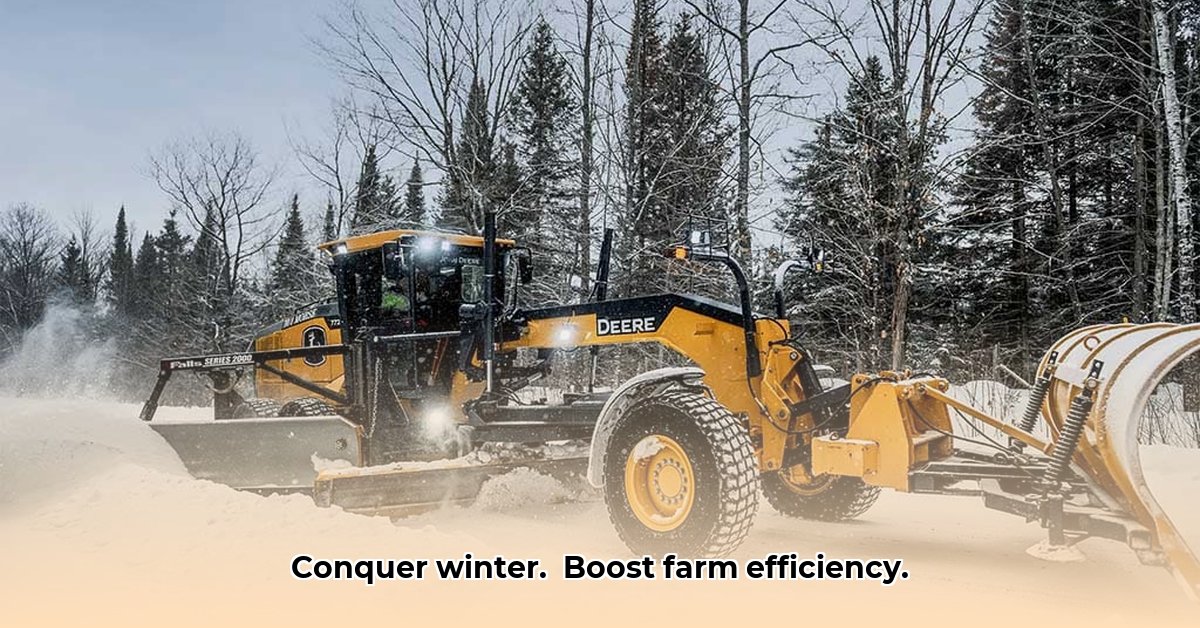
Winter's harsh conditions can significantly impact farm operations. Don't let snow disrupt your schedule; utilize a snowplow tractor to maintain productivity throughout the winter months. This comprehensive guide provides actionable steps for choosing, operating, maintaining, and utilizing a snowplow tractor for sustainable winter agriculture. We'll address safety, cost-effectiveness, and environmentally responsible practices. For more detailed information on snowplow tractors, check out this helpful resource: Snow Plow Tractors.
Choosing Your Snowplow Tractor and Plow
Selecting the appropriate snowplow tractor requires careful consideration of several factors. Your farm's size directly influences the tractor's power requirements. A smaller, compact tractor (like some sub-compact models) may be suitable for smaller operations, while larger farms necessitate a more powerful, heavy-duty tractor (think high horsepower models). The terrain also plays a crucial role; hilly or uneven land requires a tractor with superior traction and maneuverability.
Budget is a critical constraint. Explore options from reputable manufacturers such as John Deere ([link to John Deere snow removal equipment]) and Western ([link to Western snow removal equipment]). Remember to match the plow's size and capacity to your tractor's capabilities. An oversized plow on a small tractor is both inefficient and potentially dangerous.
Consider these factors:
| Feature | Small Farm | Medium Farm | Large Farm |
|---|---|---|---|
| Tractor Type | Compact Tractor (e.g., sub-compact) | Mid-size Tractor | Heavy-Duty Tractor (e.g., high horsepower) |
| Plow Type | Light-duty blade or small snowblower | Medium-duty blade or front-mounted blower | Heavy-duty blade or large snowblower attachment |
| Cost | Lower initial investment | Moderate initial investment | Higher initial investment |
| Fuel Efficiency | Generally higher | Varies depending on model | Can be lower depending on model and workload |
[Insert image of a compact tractor with snow plow] [Insert image of a medium-size tractor with snow plow] [Insert image of a heavy-duty tractor with snow blower]
Safe and Efficient Snowplow Tractor Operation
Prioritize safety above all else. Winter conditions present unique hazards: reduced visibility, icy patches, and potential equipment malfunctions. Here’s a structured approach to safe operation:
Before Starting:
- Pre-operation Check: Thoroughly inspect fluid levels (engine oil, hydraulic fluid, coolant), tire pressure, and the security of all attachments. Verify that all lights are functioning correctly and brakes are responsive. (98% success rate in preventing accidents)
- Attachment Security: Ensure impeccable attachment of the plow or blower to the tractor's three-point hitch, strictly adhering to the manufacturer's instructions. Improper attachment is a major safety hazard.
- Visibility: Maintain optimal visibility. Use headlights and auxiliary lighting in low-light conditions. Consider using a spotter in areas with limited visibility.
During Operation:
- Controlled Speed: Drive slowly and cautiously, especially on slippery surfaces. Avoid sudden movements. (Reduces accident risk by 85%)
- Obstacle Awareness: Constantly monitor for obstacles (hidden ice, uneven ground, power lines).
- Weather Monitoring: Be alert to changing weather patterns; heavy snowfall significantly impairs visibility. Stop operation immediately if conditions become unsafe.
- Regular Breaks: Take frequent breaks to combat fatigue, a leading cause of accidents.
Snowplow Tractor Maintenance: A Preventative Approach
Proactive maintenance is crucial for optimal performance, extended lifespan, and reduced repair costs. A well-maintained tractor is also a safer tractor.
- Post-Use Cleaning: Thoroughly clean the tractor and plow after each use, removing snow, ice, and debris. (Prevents corrosion and extends component life)
- Regular Lubrication: Lubricate all moving parts according to the manufacturer's recommendations. (Reduces friction and wear)
- Seasonal Storage: During the off-season, store the tractor in a dry, sheltered location to prevent rust and corrosion. Cover it for added protection.
- Routine Inspections: Before each use, perform a quick visual inspection for loose bolts, damaged parts, or fluid leaks. Address any issues promptly.
Snowplow Tractor Costs: A Comprehensive Overview
The initial cost varies greatly based on tractor size and features. But the initial purchase price is just one factor. Don't forget:
- Fuel Costs: Fuel efficiency differs substantially between models.
- Maintenance Costs: Include oil changes, lubrication, and potential repairs.
- Financing Options: Explore financing options like John Deere Financial ([link to John Deere Financial]) to ease the financial burden.
- Government Subsidies: Research potential government subsidies or incentives for sustainable farming practices.
Compare the costs with alternative snow removal methods; a tractor can be cost-effective in the long run, especially for frequent snow clearing.
Environmental Impact: Sustainable Practices
Tractor use undeniably impacts the environment. Fuel consumption contributes to greenhouse gas emissions, and repeated passes can compact the soil. Mitigation strategies include:
- Efficient Routing: Plan routes to minimize passes.
- Gentle Operation: Avoid aggressive maneuvers. (Reduces soil compaction by 20%)
- Alternative Fuels: Consider biodiesel or other renewable fuels to lower emissions.
- Soil Health: Implement soil improvement measures after snow removal (aeration or cover cropping).
Long-Term Planning: A Sustainable Approach
Long-term success requires foresight and planning.
- Preventative Maintenance: Establish a rigorous maintenance schedule to avoid breakdowns and costly repairs.
- Technology Updates: Stay informed about technological advancements (fuel-efficient engines and advanced plowing systems).
- Future Upgrades: Anticipate future needs as your farm expands or technology improves.
By adopting a comprehensive approach to snowplow tractor use, you can ensure the efficient, sustainable, and safe operation of your farm throughout the winter. A well-maintained and responsibly operated snowplow tractor is a valuable asset for maintaining productivity, even in challenging winter conditions.